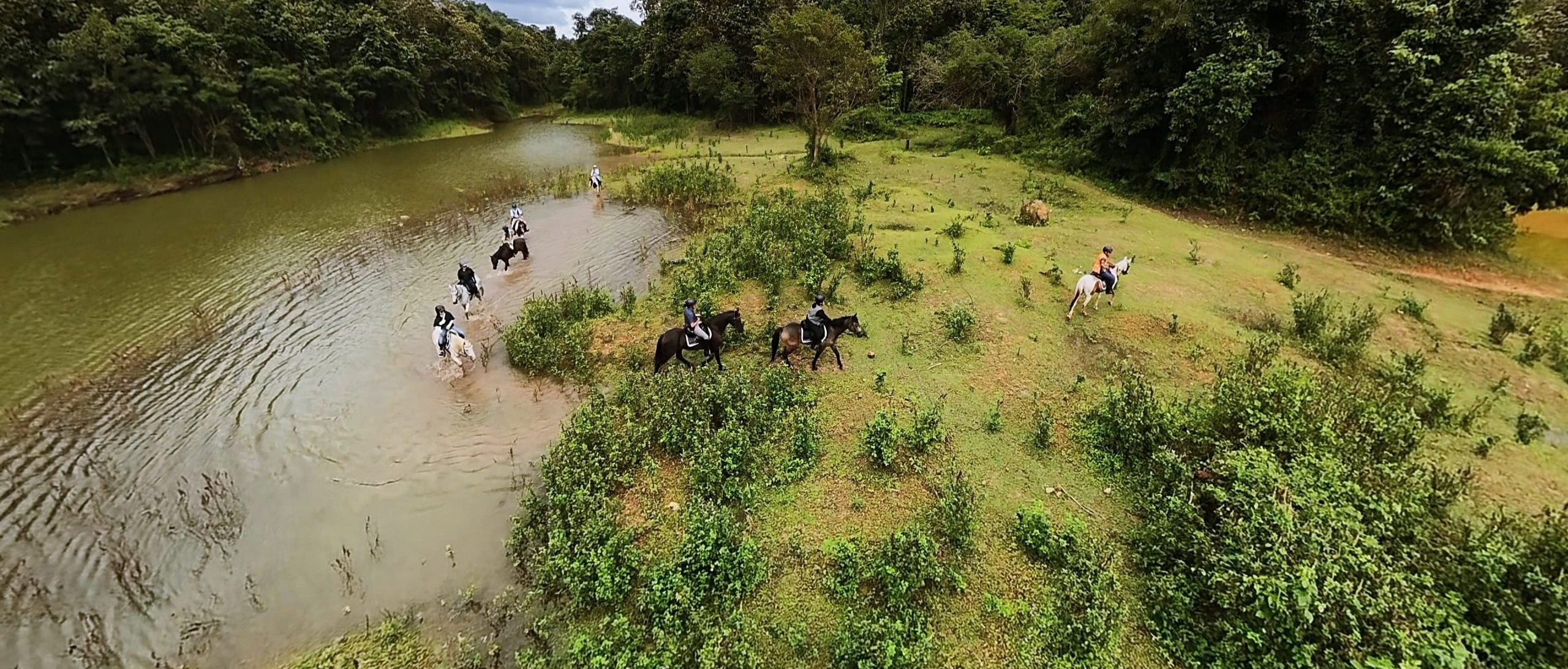
Plan With Confidence. Ride With Peace of Mind.
Download the Discerning Rider’s Guide to Ethical Equestrian Travel in Asia
How do you judge a riding operator from the other side of the world? Behind the stunning photographs, standards for horse welfare, rider safety, and operating ethics vary widely across Southeast Asia.
The Discerning Rider’s Guide to Ethical Equestrian Travel in Asia gives you the baseline: what a well-run stable looks like, the red flags to spot on a website, and eight questions to email any operator before you book. Use the practical tools below to turn glossy marketing into clear decisions you can trust.
What’s Inside
Behind every great ride is a well-run operation. Here is what the guide helps you see before you wire a deposit or book a flight:
1. Horse Welfare Standards: Five essential baselines: enforcing strict rider weight limits, conducting an unhurried visual pre-ride inspection, learning to read an angry versus shut-down horse, applying the tack and tissue test, and auditing the working-to-rest ratio.
2. Rider Safety: Non-negotiables on the trail: mandatory helmets for all riders, a proper arena warm-up assessment before heading out, small guide-to-rider ratios, and the remote-readiness gear that matters when you are hours from medical assistance.
3. Ethical Operations: Looking beyond the horse to how an operator treats its local team, whether its marketing reflects real herd conditions, and how it collaborates with the rural communities whose land you cross.
4. Environmental Stewardship: Low-impact trail practices, responsible manure composting and wash-bay wastewater management, and active local resource conservation.
5. Pre-Booking Checklist & Red Flags: Eight questions to email any operator before confirming, and five immediate visual warning signs to spot on a commercial website.
Built by riders, for riders, and grounded in on-the-ground trail experience across Asia.
Replace Guesswork with Clarity
Three practical skills that turn glossy marketing into a decision you can trust:
→ Spot the Red Flags Before You Book
Learn the five warning signs on an operator’s website, from stock-photo galleries and vague weight limits to bareheaded guests and missing local staff.
→ Ask the Questions That Matter
Send eight concise questions to any operator and learn what the answers—or the evasions—reveal about welfare, safety, ethics, and environmental stewardship.
→ Recognize a Well-Cared-For Horse
Know what to look for before you mount: bright, clear eyes, cool lower legs, a relaxed demeanor, healthy skin under the saddle, and the quiet signs of an over-worked or shut-down horse.
Leave a Reply